


By Allison Peck
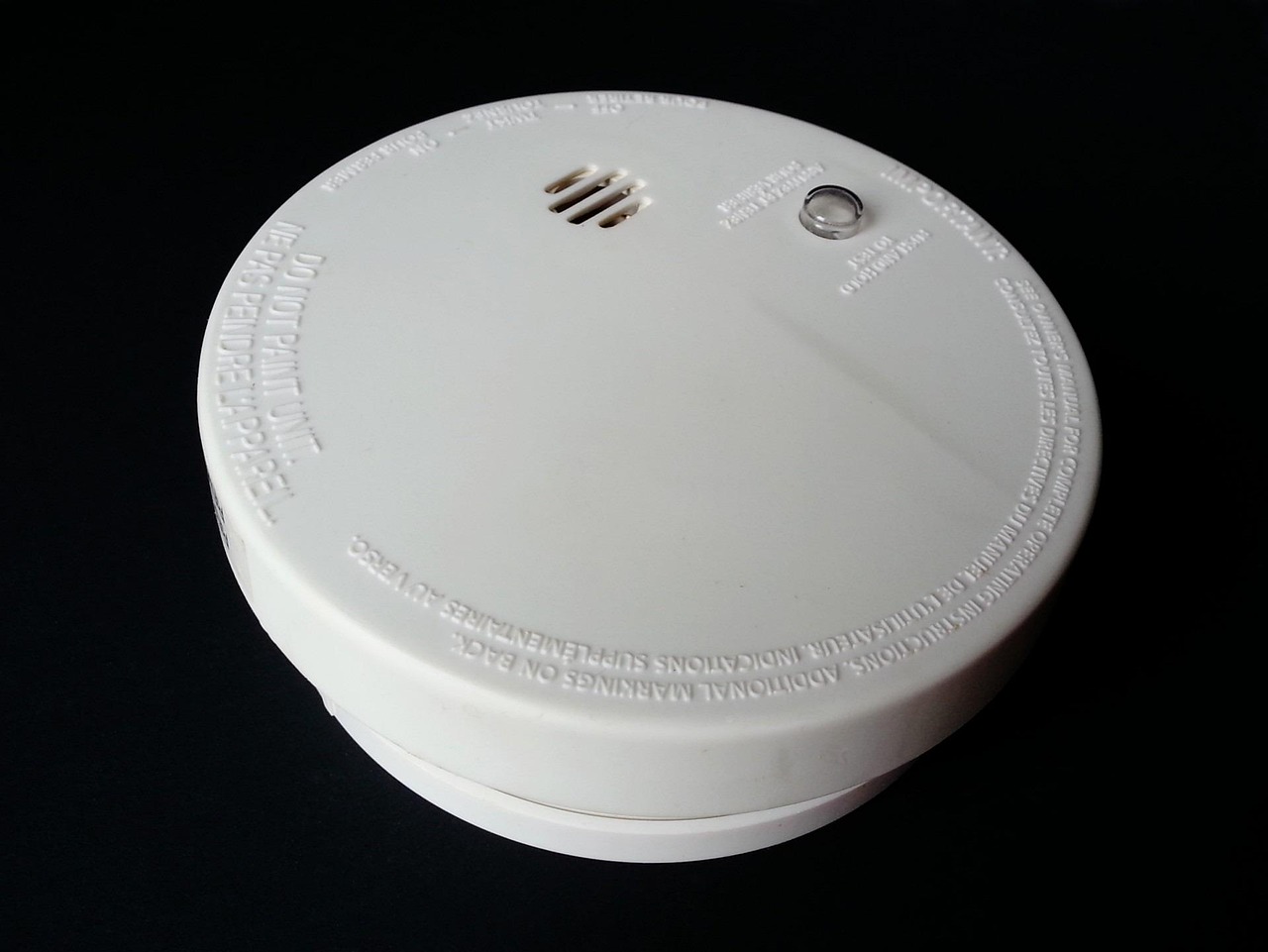
OMAHA — With clocks turned forward for daylight saving time this past weekend, the American Red Cross is reminding residents to test their smoke alarms to make sure the devices are working properly.
Officials say the time change is a good seasonal reminder to check smoke alarms and replace batteries if needed. According to the Red Cross, working smoke alarms can cut the risk of dying in a home fire in half.
“Working smoke alarms cut the risk of dying in a home fire in half, as you only have about two minutes to safely get out,” said Josh Murray, regional communications director for the Red Cross Nebraska-Iowa Region. “Every second counts when there’s a home fire, and the sooner an alarm alerts you to a fire, the sooner you can get to a safer place.”
In 2025, Red Cross volunteers in Nebraska responded to 386 home fires, helping more than 1,330 people affected by those disasters. Nationwide, home fires make up the majority of the roughly 65,000 disasters the organization responds to each year.
The Red Cross encourages households to install smoke alarms on every level of the home, including inside and outside bedrooms and sleeping areas. Alarms that are 10 years old or older should be replaced because sensors can become less sensitive over time.
Families are also encouraged to create and practice a home fire escape plan. Safety experts recommend making sure everyone in the household can get out in less than two minutes, which is often the amount of time available to escape a burning home. Plans should include at least two exits from each room and a designated outdoor meeting place a safe distance away.
The Red Cross also promotes its Home Fire Campaign, which works with community partners to educate families about fire safety, create escape plans, and install free smoke alarms in high-risk areas. Since the campaign began in 2014, the organization says it has helped save at least 2,577 lives nationwide.