


By Allison Peck
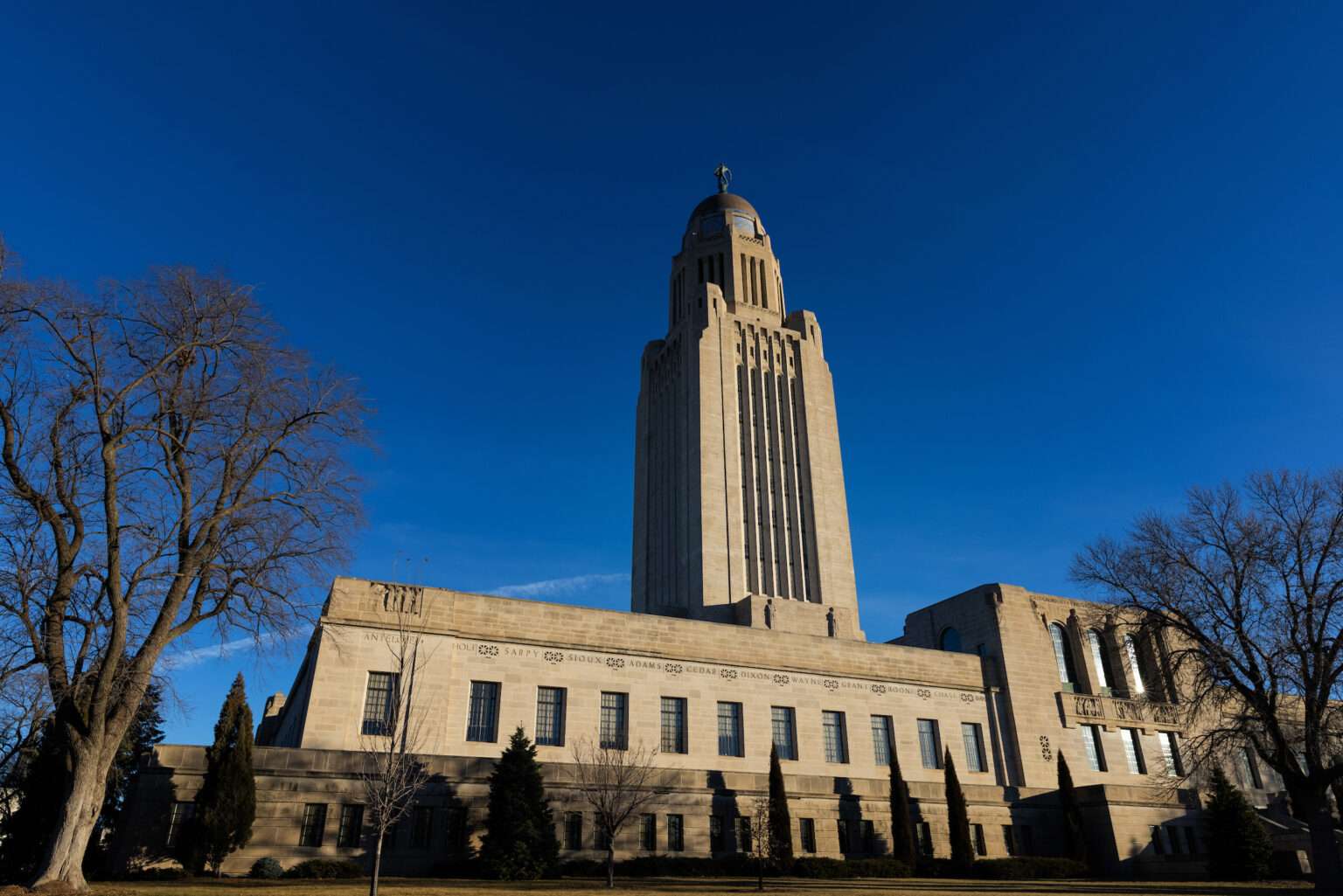
The U.S. Department of Justice has reached a proposed agreement with Nebraska that would block enforcement of laws allowing in-state tuition and financial aid for individuals in the country without legal status.
The proposed consent decree, which still requires court approval, would permanently prevent Nebraska from continuing policies that provide reduced tuition rates and scholarship eligibility based on residency, regardless of immigration status. Federal officials argue those laws conflict with federal law and give preferential treatment over U.S. citizens.
Nebraska has allowed certain students who graduate from in-state high schools to qualify for in-state tuition regardless of immigration status.
The legal action, filed in U.S. District Court in Omaha, seeks to stop colleges and universities from offering in-state tuition rates and financial aid based solely on residency, regardless of whether a person is lawfully present in the United States.
Federal officials say similar legal challenges in Texas, Oklahoma and Kentucky have already resulted in rulings striking down comparable policies.
Nebraska Governor Jim Pillen voiced support for the agreement, calling the existing laws outdated and unconstitutional.
“Nebraskans expect that illegal aliens won’t get the benefit of in-state tuition and financial aid, and federal law forbids it,” Pillen said. “Outdated Nebraska laws to the contrary are deeply misguided and unconstitutional, and I am grateful for the combined efforts of President Trump’s Department of Justice and Nebraska AG Mike Hilgers to deliver this long-overdue correction. This is the latest example of the tremendous partnership between the State of Nebraska and the Trump Administration.”
Pillen added that the action aligns with the state’s principles.
“Discrimination has no place in Nebraska. This is a good day for our state motto—Equality Before The Law—and our Constitution,” he said.
Nebraska Attorney General Mike Hilgers also supported the move, saying the state joined the Department of Justice in filing the proposed consent decree to ensure the law is permanently blocked.
The case is part of a broader series of actions by the Department of Justice targeting similar policies in multiple states, with lawsuits still pending elsewhere.