


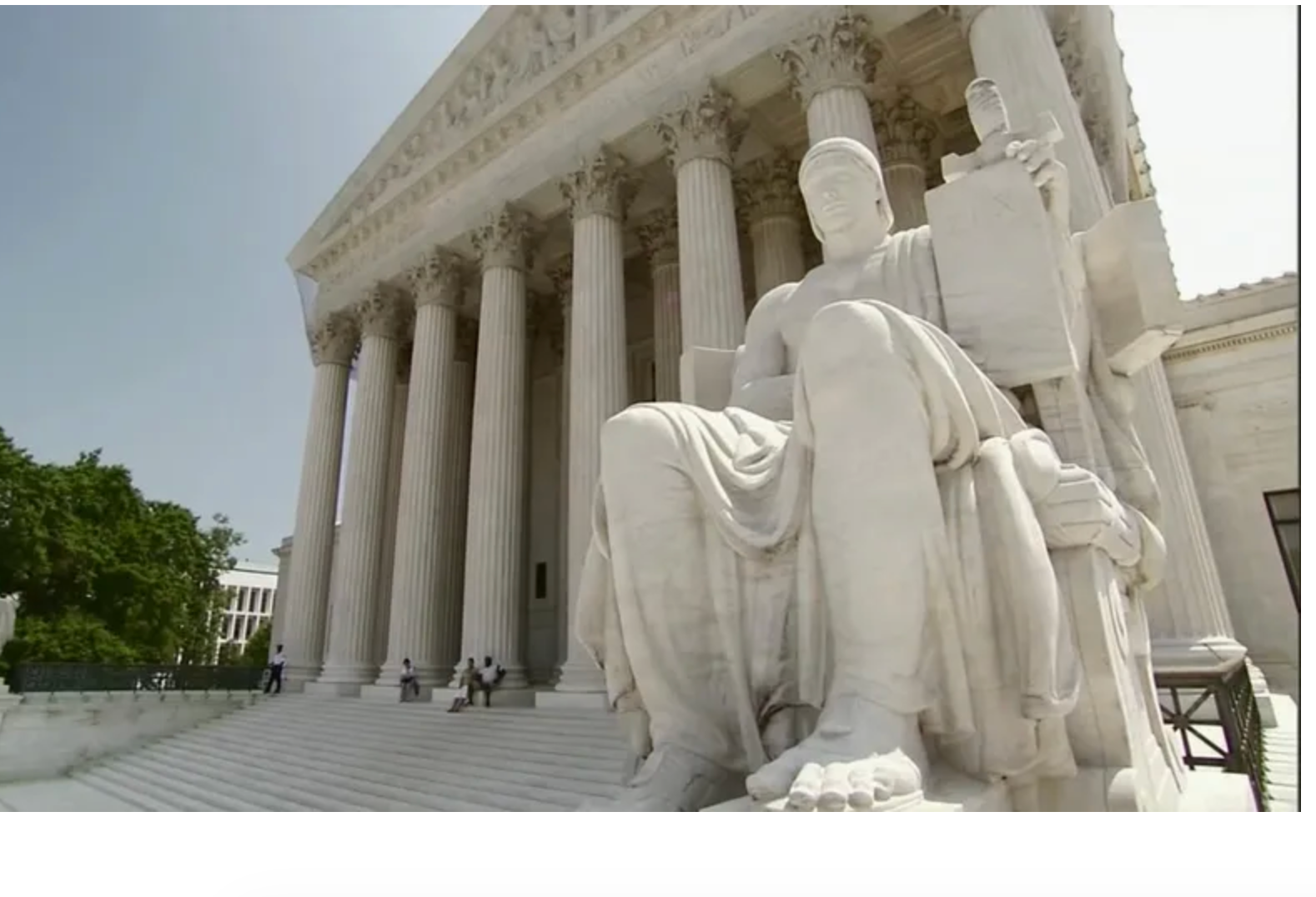
The U.S. Supreme Court ruled that a president cannot use a federal emergency powers law to impose sweeping tariffs on imported goods unless Congress clearly authorizes it. The decision centers on the International Emergency Economic Powers Act, known as IEEPA, a 1977 law that allows a president to regulate certain financial and trade transactions during a declared national emergency.
In a 6-3 decision in Learning Resources, Inc. v. Trump, the court said IEEPA does not give the president the power to create tariffs. The administration had argued that the law allows the president to “regulate” imports during an emergency and that tariffs fall under that authority. The Supreme Court disagreed, saying the Constitution gives Congress — not the president — the power to lay and collect taxes, duties and tariffs. While IEEPA allows actions such as blocking transactions and restricting certain trade, the court said it does not specifically authorize imposing tariffs. The justices noted that when Congress intends to grant tariff authority, it does so clearly in other trade laws. That language is not present in IEEPA.
The ruling means the tariffs imposed under that emergency authority cannot stand unless Congress passes new legislation specifically allowing them.
The financial impact of the decision could be significant. According to U.S. Treasury Department data, customs duties brought in roughly $195 billion in fiscal year 2025, a record high. U.S. Customs and Border Protection reported collecting more than $200 billion in tariff revenue between January and mid-December 2025. Treasury daily statements show total tariff collections for calendar year 2025 reached approximately $287 billion.
Customs duties accounted for about 3.7 percent of total federal revenue in fiscal year 2025. While tariffs represent a relatively small share of overall federal income compared with income taxes and payroll taxes, the dollar amounts are substantial.
Because the Supreme Court found that the emergency law did not authorize those tariffs, revenue collected under that authority could now face legal challenges. Estimates based on federal customs and census data indicate more than $175 billion collected under the emergency tariff program may be subject to refund claims if lower courts order repayments. Any refunds would be handled through the U.S. Court of International Trade.
The broader takeaway from the court’s decision is about separation of powers. Congress writes the laws and controls taxing authority. The president enforces the laws. The Supreme Court said expanding emergency powers to include tariffs without clear direction from Congress goes beyond what the statute allows.
Three justices dissented, arguing that the authority to regulate imports during an emergency could reasonably include tariffs. But the majority said tariffs are a major economic action and require clear authorization from Congress.
In practical terms, the ruling limits how a president may use emergency powers in trade policy. If tariffs are going to be used under emergency conditions in the future, Congress would have to expressly approve that authority.